Can You Legally Use Ghibli-Style AI Art? Copyright & Commercial Use Explained
The single most common question about Ghibli-style AI art: is it legal? The answer is more reassuring — and more nuanced — than most people assume. Here's what the law actually says in 2026.
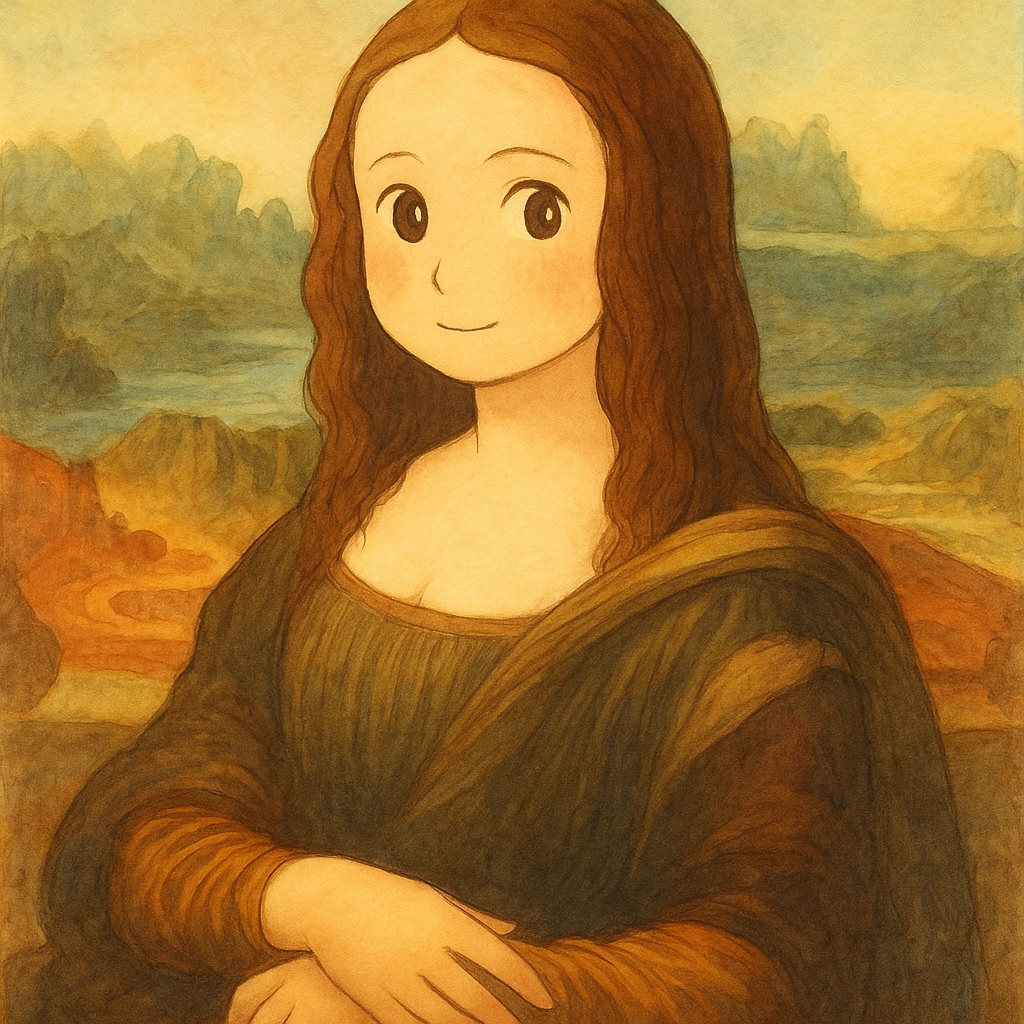
Before we begin: this article is general information, not legal advice. Copyright law varies by country and is still evolving around generative AI. For high-stakes commercial decisions, consult an intellectual property attorney. With that said, the practical landscape in 2026 is far clearer than the anxious social media discourse suggests — and understanding a few core principles will let you create and use AI art with confidence.
The Core Principle: Style Is Not Copyrightable
This is the foundation everything else rests on. Copyright protects specific expressions — a particular film, a particular character design, a particular painting. It does not protect an artistic style, technique, or aesthetic. Watercolor backgrounds, soft golden-hour lighting, lush painted landscapes, and nostalgic hand-drawn warmth are stylistic elements, and no studio or artist owns them. Courts in the United States, the European Union, and Japan have consistently held that style imitation alone does not constitute copyright infringement. If it did, every artist who painted impressionist landscapes after Monet would have been an infringer.
What this means in practice: an original scene — your own photo transformed into a painterly anime aesthetic, or a landscape generated from your own text prompt — does not infringe copyright merely because its style evokes classic Japanese animation.
What IS Protected: Characters, Scenes, and Trademarks
The line you must not cross is reproducing specific protected expression. That includes:
- ✦Specific fictional characters — recognizable characters from any film are protected by copyright regardless of what style they're rendered in
- ✦Specific scenes and compositions — recreating an iconic frame from a protected film is reproducing that expression
- ✦Studio names and logos — these are trademarks; using them on products or in a way that implies endorsement is trademark infringement
- ✦Character names in product listings — titling a print with a protected character's name invites takedowns even if the image itself is original
The safe formula is simple: original subject + evocative style. Your dog in a watercolor anime meadow is fine. A protected mascot character from a famous film is not — no matter which tool generated it.
Who Owns the Image You Generate?
In the United States, the Copyright Office's current position is that purely AI-generated images — with no human creative authorship beyond a prompt — are not eligible for copyright registration. That doesn't mean you can't use them commercially; it means you may not be able to stop others from copying the raw image. Where you contribute meaningful human authorship — selecting and arranging generations into a larger work, substantially editing the output, combining it with your own photography — the human-authored elements are protectable.
Practically, ownership questions between you and the platform are governed by the tool's terms of service. GhibliAI's terms grant you full usage rights to your generations: personal use on the free tier, and full commercial rights on premium generations. Your uploaded photos remain yours — they are processed ephemerally and never used for training.
Selling AI Art: Platform Rules in 2026
| Platform | AI Art Allowed? | Key Requirement |
|---|---|---|
| Etsy | Yes | Must disclose AI use in listing; original content only |
| Redbubble | Yes | Standard IP rules apply — no protected characters or logos |
| Itch.io (game assets) | Yes | AI-generated asset tag required |
| Adobe Stock | Yes | Must be labeled generative AI; strict quality review |
| Getty / Shutterstock | Restricted | Getty bans AI submissions; Shutterstock allows only via its own pipeline |
Two patterns matter across every platform: disclose that the work is AI-generated where the platform asks, and never include protected characters, names, or logos in the image, title, or tags. Sellers who follow both rules operate for years without issues; sellers who ignore them collect takedown strikes.
A Practical Pre-Sale Checklist
- 1.Is every element of the image original (no recognizable protected characters, scenes, or logos)?
- 2.Does your listing title and tag set avoid protected names and studio trademarks?
- 3.Are you operating under a license that permits commercial use (e.g., a premium generation)?
- 4.Have you disclosed AI generation where the platform requires it?
- 5.For client work: does your contract state the AI-assisted nature of the work and the rights you're conveying?
The Ethics Question
Legality and ethics are separate questions, and it's worth being honest about both. Many artists have strong feelings about AI models trained on artwork at scale, and the debate deserves respect. Our view: celebrating an aesthetic tradition through original scenes — your memories, your pets, your imagined worlds — is a fundamentally different act than reproducing someone's specific creations or passing work off as hand-made. Be transparent that your art is AI-generated, keep your subjects original, and you're operating in the clear both legally and ethically.